For the last decade, the promise of industrial IoT has been visibility. Put a sensor on every asset, stream the data to a dashboard, and you will finally know where everything is and what condition it is in. That promise has largely been kept. The problem is that visibility, on its own, does not run an operation.
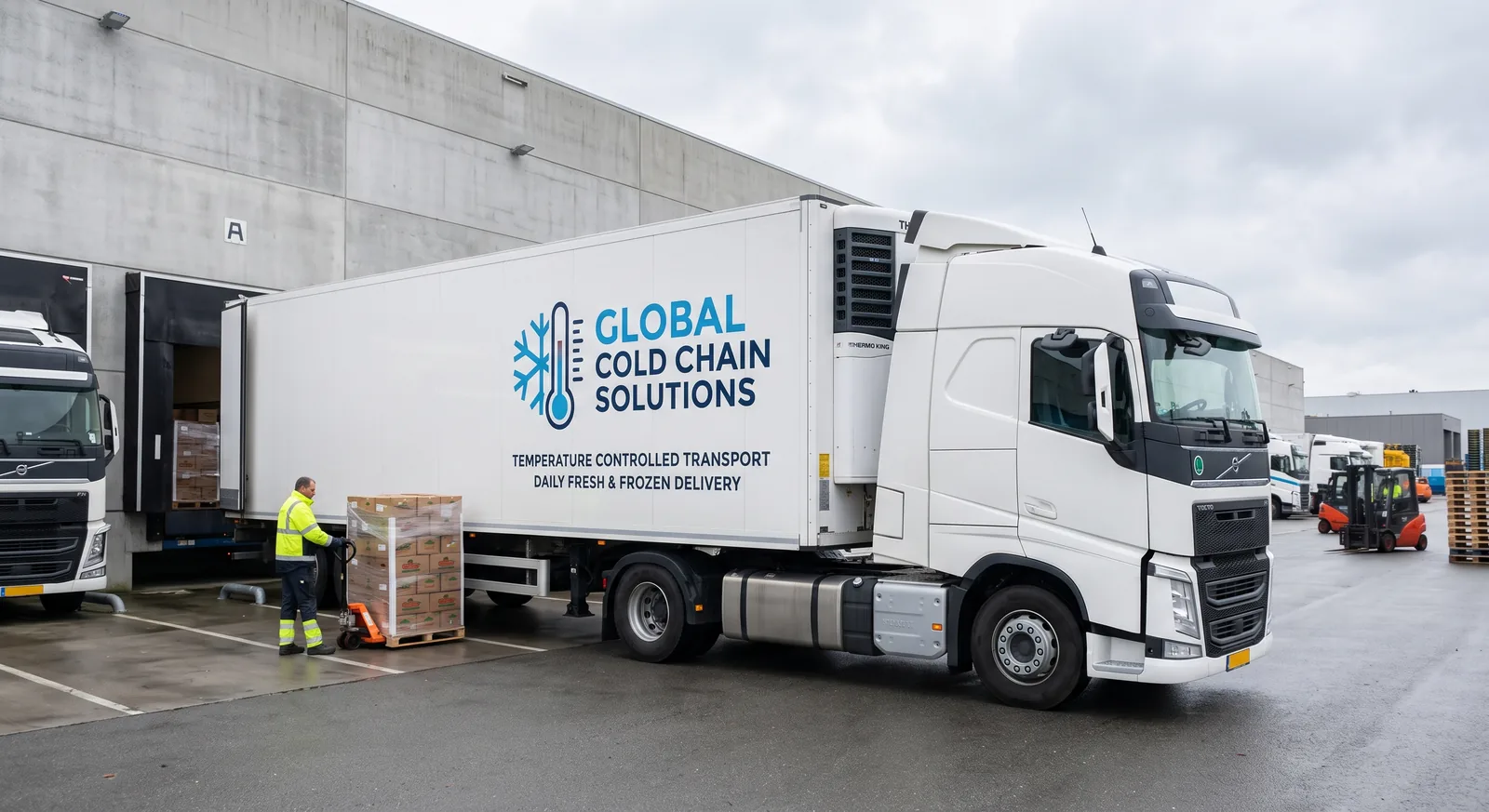
A map that shows a reefer trailer sitting three degrees above its threshold is useful for about ten seconds. After that, the questions start. Who owns this asset right now? Who needs to act? What is the agreed response time, and are we inside it? What did we do the last time this happened, and can we prove it? A dashboard answers none of these. A person, or a spreadsheet, or a late-night phone call has to.
INTERtrack exists to close that gap. It is an operations layer for industrial IoT and cold chain logistics: not another place to watch dots move, but the system that decides what happens when a dot does something it should not.
Track, detect, resolve
We think about the platform in three movements, and the order matters.
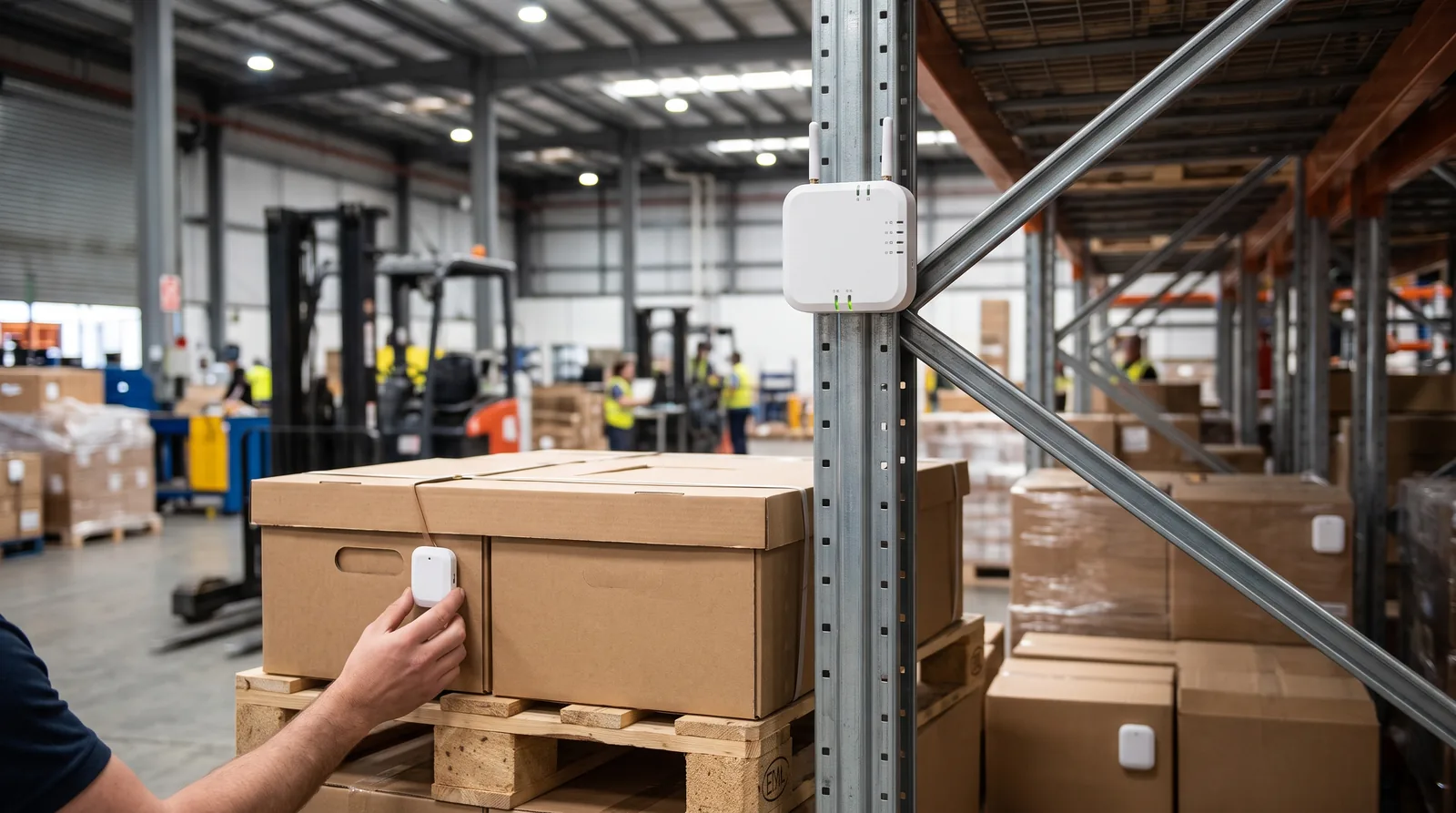
Track is table stakes. INTERtrack knows where your assets are and what state they are in, across sites, vehicles, and partners, in one place. This is the part the market has already solved, and we do not pretend otherwise.
Detect is where an operation starts to earn its keep. The platform watches for the conditions that actually cost you money: a temperature excursion, a geofence exit at the wrong time, an asset that has gone quiet, a maintenance interval that has come due. Detection is not a wall of alerts. It is a small number of exceptions that a human genuinely needs to see.
Resolve is the movement almost everyone skips, and the reason we built this layer. Every exception becomes a piece of work with an owner, a due time, and a record. It gets routed to the right person, tracked against a service level, and closed out with a trail you can show a customer, a quality manager, or an auditor months later. The exception is not a notification you dismiss. It is a task you finish.
Why exceptions matter more than tracking
Here is the uncomfortable truth about most tracking deployments: the data was never the bottleneck. Teams that lose assets, miss temperature commitments, or fail an audit rarely fail because they could not see the problem. They fail because seeing it and resolving it were two different systems, connected by human memory.
INTERtrack bridges that gap. When the platform detects a problem, it already knows the playbook: who is responsible, how fast they are meant to respond, and what counts as done. The value is not in the sensor reading. It is in what the organization does in the twenty minutes after the reading arrives.
Built by INTERCEPT
INTERtrack is not just software, but a supply chain partner. It is built by INTERCEPT Technology GmbH, whose work in asset protection, packaging, and industrial operations across Europe, Africa, and Asia is where the thinking behind this platform comes from. INTERCEPT knows the supply chain from the inside. That heritage is why we started with operations rather than with a map. We have seen what breaks when visibility has no follow-through, and we designed for the follow-through first.
Who this is for
INTERtrack is for teams that cannot afford surprises: cold chain and pharmaceutical logistics, returnable-asset fleets, and manufacturers who need to know not just where a container is, but whether the last exception was handled and closed. If your current tool ends at the alert, this is the layer that begins there.
Nothing moves unseen. More importantly, nothing that matters goes unresolved.